

Buddhist precepts : ค้นหาหนังสือธรรมะ หน้า 5 / 5
หน้าหนังสือทั้งหมด
9
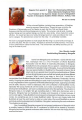
Buddhist Unity and Harmony: Insights from Most Ven. Dhammapriya Mahathero
Digest from speech of Most Ven. Dhammapriya Mahathero Abbot, Mahananda Sangharaj Vihara
Vice President of the Supreme Sangha Council of Bangladesh
Founder of Dhamapriya Buddhist Welfare Mission, Kolka
In a profound address, Most Ven. Dhammapriya Mahathero emphasizes the interconnectedness of all beings, portraying them as part of one family, deriving from shared karmic categories. He urges the prop
63
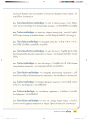
Charumati Buddha Vihar and Buddhist Mission in Nepal
Charumati Buddha Vihar and resident of Charumati Buddhist mission Nepal / วัด จารุมาติวิหาร ประเทศเนปาล
๒๖. โโล่งวัดและใบประกาศเกียรติคุณ จาก Prof. Dr. Mitomo Kenyo / ค.ศ. มิโดเมะ เกนโญ พระมหาเกระระด
Charumati Buddha Vihar in Nepal is notable for its contributions to Buddhism and its recognition with various honors from esteemed Buddhist figures worldwide. This includes accolades from Prof. Dr. Mi
33
Exploring Buddhist Texts and Influence
Bernhard, Franz.
1970 "Gåndhārī and the Buddhist Mission in Central Asia." Ánjali: Papers on Indology and Buddhism: A Felicitation Volume Presented to Oliver Hector de Alwis Wijesekera on His Sixtieth
This collection of works explores the significant contributions to Buddhist scholarship, including analyses of the Gåndhārī texts, the investigation of the Därșanatika, and the characteristics of the
104
The Dhammakaya Tradition and Luang Phaw Wat Paknam
practice of the Middle Way until attaining levels of Buddhist
sainthood according to their potential. All the evidence that
is left by some Buddhist saints is their scriptural testimo-
nies, but some
The practice of the Middle Way leads to various levels of Buddhist sainthood according to individual potential. Luang Phaw Wat Paknam, the prominent monk who discovered the Dhammakaya Tradition, is re
8
The Significance of Ordination in Thai Buddhism
Thailand is a Buddhist Society. A large part of our culture stems from Buddhist heritage. Our forefathers handed down to us through the generations, a lasting legacy of humble thought and traditions d
Thailand is deeply rooted in Buddhist culture, with a legacy that promotes moral values. The process of ordination allows individuals to elevate their consciousness and become part of the Buddhist com
6
Creating Harmony in the Family
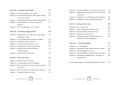
Part Three Harmony in the Family
157
Chapter 15 Creating Harmony in the Family
159
Chapter 16 What Should Parents Do When Their Children
Do Not Get Along?
165
Chapter 32 Teaching Children to Live by t
Part Three of the book focuses on creating harmony in the family and the roles of parents in ensuring a peaceful and loving environment. Topics include what parents should do when their children do no
86
The Five Precepts of Buddhism
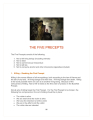
THE FIVE PRECEPTS
The Five Precepts consist of the following:
1. Not to kill living beings (including animals)
2. Not to steal
3. Not to commit sexual misconduct
4. Not to tell lies
5. Not to consume
The Five Precepts in Buddhism outline ethical guidelines for practitioners, emphasizing respect for life among other moral behaviors. The First Precept, which prohibits killing, is noted as the graves
92
Understanding the Importance of the Fifth and Eight Precepts
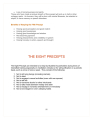
- Loss of consciousness and sanity
Those who have made a serious breach of this precept will end up in hell or other unhappy realm. As humans, they will be born with mental illnesses, be retarded or
The text discusses the severe consequences of violating the Fifth Precept in Buddhism, leading to unhappiness and potential mental disorders in future lives. It emphasizes the benefits of adhering to
67
Be a Good Role Model for Children
Be a good role model for
the children to observe
The first factor is the most difficult because many parents
do not realize how influential they are to their children. Before
we can begin to be good r
บทความนี้เน้นให้พ่อแม่เห็นความสำคัญของการเป็นตัวอย่างที่ดีให้กับลูก โดยการรักษาคุณธรรมและปฏิบัติตามศีลห้า เพราะเด็กมีพฤติกรรมที่เรียนรู้จากผู้ปกครอง หากพ่อแม่ไม่สามารถรักษาคุณธรรมในชีวิตประจำวันได้ ลู
88
Building a Unified Community: The Four Bases of Social Solidarity
If parents behave appropriately toward their neighbors,
they will be loved and respected. Then it may be appropriate
for them to remind their neighbors of the neighbors' behavior.
The Lord Buddha taug
The text discusses the importance of parents' behavior towards their neighbors, emphasizing Buddha's Four Bases of Social Solidarity: Generosity, Kind Speech, Useful Conduct, and Even Treatment. It hi
138
The Nature of Human Beings and the Five Precepts
What is the Nature of Human Beings?
The nature of human beings consists of five
characteristics.
1. By nature, humans will not kill.
A human who takes life has deviated from the nature of
humankind. H
The nature of human beings encompasses five fundamental characteristics that differentiate us from animals. First, humans, by nature, refrain from killing, which is vital to our humane identity. Secon
138
Criteria for Giving and Boonya
Part Five: Truth for the Family
b. Upright intention. The objective of giving
is to say goodbye to misery, selfishness, and
greed. It is not done to gain riches, fame, or
recognition. The true intent
ส่วนที่ห้าพูดถึงความจริงของครอบครัว โดยเน้นไปที่เจตนาที่ถูกต้องของการให้ เพื่อแยกแยะจากความทุกข์ การเห็นแก่ตัว และความโลภ เจตนาที่แท้จริงคือการแบ่งปันและได้รับบุณญะ ซึ่งมีลักษณะเป็นพลังบริสุทธิ์ เกิดจ
142
Acts of Self-Discipline: Understanding the Five Precepts
Part Five: Truth for the Family
Chapter 25
Acts of Self-Discipline
What are the five precepts and why are they
important?
"The rules to live by" that good people universally
adhere to are known in as
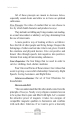
In Chapter 25, 'Acts of Self-Discipline,' the importance of the Five Precepts is discussed as essential guidelines for living ethically. Many young people today overlook these codes, viewing virtuous
186
Understanding the Five Precepts and Spiritual Cultivation
Part Seven: Appendixes
All of these precepts are meant to decrease kilesa,
especially sexual desire and allow us to focus on spiritual
cultivation.
Five Precepts: five rules of conduct that we can cho
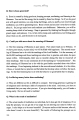
This section discusses the Five Precepts aimed at reducing kilesa, particularly sexual desire, fostering spiritual growth. The Five Precepts include refraining from killing, stealing, sexual misconduc
115
Understanding Boon and Dhamma
Suzanne Jeffrey
Q: How is boon generated?
A: Boon is created by doing good acts, keeping precepts, meditating, and listening to the Dhamma. You can feel the energy that is created by these four thing
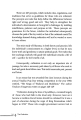
Boon is generated by good actions, keeping precepts, meditating, and listening to Dhamma. It creates positive energy that purifies the mind. Conversely, baap, or bad energy, arises from negative thoug
15
Understanding the Role of Precepts in Buddhist Ordination
There are 227 precepts, which include rules, regulations, and traditions that serve as guidelines for those who are ordained. The precepts are tools that help define the differences between right and
The 227 precepts provide rules and guidelines for the ordained, defining right and wrong to help individuals strengthen their determination amidst life's challenges. They ensure that knowledge gained
105
The Importance of Ordination for Men
Ordination is an essential part of life for all male. There are 227 precepts, which include rules, regulations, and traditions that serve as guidelines for those who are ordained. The precepts are too
Ordination plays a crucial role in a man's life, emphasizing 227 precepts that guide them in distinguishing right from wrong, instilling virtues like patience and determination. These teachings aid in
84
Embracing Virtue and Avoiding Harm
124. GRAB THE FLAG OF VICTORY
We are extremely fortunate to be born a human being. We are born to pursue
virtue, to build spiritual benefits. So take this opportunity to accumulate only
good thi
This text emphasizes the importance of being human and the opportunity to build spiritual assets through virtue. The author shares personal experiences of adhering to the Five and Eight Precepts, disc
19
การฝึกอบรมธรรมดายาดา
"Dhammadāyāda training
is the beginning of changes.
Changes from comfortable habits
like living in a luxurious house,
surrounded by beloved ones, to
dwelling under the Klod in the
midst of the rice fi
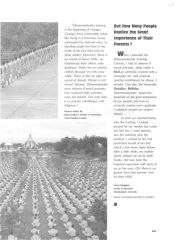
dwelling under the Klod in the midst of the rice field with no other shelter. Moreover, there is no sound of heavy traffic, no interference from others, only quietness. There are no colorful clothes b

82
การปฏิบัติธรรม
จ ด ห ม า ย ถึ ง น้ อ งเล็ก
น้องเล็กที่รัก
ปีเก่าผ่านไปอย่างรวดเร็วอีกหนึ่งปีแล้วนะจ๊ะ รู้สึกอย่างไรบ้าง พี่จำได้ว่าเมื่อสมัยเป็นเด็กรู้สึกว่า
แต่ละปี ๆ กว่าจะผ่านไปช่างชักช้าเสียเหลือเกิน อยากให้เทศก
จ ด ห ม า ย ถึ ง น้ อ งเล็ก น้องเล็กที่รัก ปีเก่าผ่านไปอย่างรวดเร็วอีกหนึ่งปีแล้วนะจ๊ะ รู้สึกอย่างไรบ้าง พี่จำได้ว่าเมื่อสมัยเป็นเด็กรู้สึกว่า แต่ละปี ๆ กว่าจะผ่านไปช่างชักช้าเสียเหลือเกิน อยากให้เทศก